
The Iliad PDF by Robert Fagles: A Comprehensive Guide (2026)
Robert Fagles’ Iliad, available as a PDF, offers readers a modern and accessible entry point into Homer’s epic poem, frequently sought for academic study and personal enjoyment․
Understanding the Fagles Translation
Robert Fagles’ translation of The Iliad, often encountered as a downloadable PDF, is celebrated for its dynamic and poetic rendering of the ancient Greek epic․ Unlike more literal translations, Fagles prioritizes capturing the spirit and energy of Homer’s original, employing a robust and contemporary English style․ This approach makes the poem more accessible to modern readers without sacrificing the grandeur and emotional depth of the narrative․
His work skillfully balances accuracy with readability, aiming to recreate the oral storytelling tradition inherent in the epic form․ The translation’s success lies in its ability to convey the complex characters, intense battles, and profound themes of fate, glory, and mortality․ Readers seeking the PDF version often do so for detailed study, appreciating Fagles’ extensive introduction and notes that provide valuable context and insight into the poem’s historical and literary significance․
Availability of the Iliad PDF
Finding a legitimate PDF of Robert Fagles’ Iliad requires careful navigation․ While not freely available through official channels like Homer’s website, authorized retailers such as Amazon and Barnes & Noble offer the PDF for purchase․ Several online bookstores also stock digital versions compatible with various e-readers․ However, numerous third-party websites advertise free PDF downloads, presenting potential risks of malware or copyright infringement․
Caution is advised when utilizing these unofficial sources․ Digital libraries and academic institutions may provide access to the PDF for registered students or members․ Searching for “Iliad Fagles PDF download” yields numerous results, but verifying the source’s legitimacy is crucial․ Beware of sites like 1ball․st, which focus on sports streaming and are irrelevant to accessing scholarly texts․
Legality and Ethical Considerations of Downloading PDFs

Downloading a PDF of Robert Fagles’ Iliad from unauthorized sources raises significant legal and ethical concerns․ Copyright law protects the author and publisher’s rights, and obtaining a PDF through illegal means constitutes copyright infringement․ Supporting authors and publishers by purchasing legitimate copies ensures continued creation and accessibility of literary works․
While the internet offers numerous free PDF downloads, these often operate outside legal boundaries․ Utilizing such sources risks exposure to malware and contributes to the devaluation of intellectual property․ Websites like 1ball․st, dedicated to sports streaming, are irrelevant and potentially harmful in this context․ Ethical considerations extend to respecting the creative process and compensating those involved in bringing the text to readers․

Robert Fagles’ Translation: Key Features
Robert Fagles’ translation revitalizes The Iliad with a dynamic and contemporary voice, making Homer’s epic accessible while maintaining its poetic grandeur and emotional depth․
Fagles’ Poetic Style and Language
Robert Fagles masterfully employs a vibrant and energetic poetic style, departing from more literal translations to capture the spirit and power of Homer’s original Greek․ His language is characterized by strong, rhythmic verse, utilizing dactylic hexameter’s echoes to create a compelling reading experience․ He doesn’t shy away from colloquialisms, injecting a modern sensibility into the ancient text without sacrificing its dignity․
Fagles’ choices in diction and phrasing aim for clarity and immediacy, making the complex narrative more approachable for contemporary audiences․ He prioritizes a flowing, narrative momentum, often opting for evocative imagery and dramatic phrasing over strict adherence to the original word order․ This approach, while debated among classicists, results in a translation that feels both epic and intimately human, resonating with readers on an emotional level․ His work breathes new life into the ancient story, making it a powerful and enduring literary experience․
Accuracy and Fidelity to the Original Greek
Robert Fagles’ translation of the Iliad, while celebrated for its poetic flair, has sparked debate regarding its accuracy and fidelity to the original Greek text․ While not a strictly literal translation, Fagles prioritizes conveying the poem’s emotional and dramatic force over a word-for-word rendering․ Some scholars argue this results in interpretive liberties that occasionally deviate from Homer’s precise meaning․
However, Fagles demonstrates a deep understanding of Greek epic conventions and strives to maintain the poem’s overall structure and thematic integrity․ He meticulously researches the historical and cultural context, informing his choices and ensuring a nuanced interpretation․ His translation aims to capture the spirit of the original, even if it means sacrificing some literal precision, offering a dynamic and engaging rendition for modern readers while respecting the source material’s grandeur․
Critical Reception of the Fagles Iliad
Robert Fagles’ Iliad translation garnered widespread acclaim upon its 1990 publication, becoming a standard for contemporary English readers․ Critics lauded its vibrant language, compelling narrative drive, and successful bridging of the gap between ancient epic and modern sensibilities․ Many praised Fagles’ ability to render Homer’s complex similes and epithets in a way that feels both fresh and authentic․

However, some scholars expressed reservations, noting instances where poetic license seemed to overshadow strict fidelity to the original Greek․ Despite these critiques, the translation’s accessibility and dramatic power secured its place in classrooms and reading lists․ The PDF version further broadened its reach, making the epic poem available to a wider audience, solidifying Fagles’ Iliad as a landmark achievement in translation and a cornerstone of classical literature study․

Finding and Accessing the Iliad PDF
Robert Fagles’ Iliad PDF can be found through official book retailers, digital libraries, and potentially third-party websites, though caution regarding legality is advised․
Official Sources for Purchasing the PDF
Securing a legitimate PDF copy of Robert Fagles’ Iliad directly from official sources guarantees quality and supports the author and publisher․ Major online booksellers, such as Amazon Kindle Store, Barnes & Noble Nook, and Google Play Books, consistently offer the digital edition for purchase․ These platforms typically provide various reading options, including adjustable font sizes and integrated dictionaries, enhancing the reading experience․
Penguin Random House, the publisher of Fagles’ translation, may also offer the PDF directly through their website․ Purchasing directly ensures you receive a legally compliant version, free from potential malware or corrupted files often associated with unofficial downloads․ Furthermore, official purchases often grant access to supplementary materials or enhanced features not available elsewhere․ Consider checking university bookstore websites as well, as they frequently stock digital textbooks, including classic literature like the Iliad․
Third-Party Websites Offering the PDF (and Associated Risks)
Numerous third-party websites advertise free PDF downloads of Robert Fagles’ Iliad, however, exercising extreme caution is crucial when utilizing these sources․ These sites often operate in legally gray areas, potentially violating copyright laws and exposing users to significant risks․ Downloading from unofficial platforms carries a high probability of encountering malware, viruses, or other harmful software embedded within the file․
Furthermore, the quality of these PDFs is often substandard, featuring scanning errors, missing pages, or poor formatting․ Websites offering “free” downloads frequently bombard users with intrusive advertisements or redirect them to phishing scams․ While the temptation of a free copy is understandable, the potential consequences – compromised device security and legal repercussions – far outweigh the perceived benefits․ Prioritize legitimate purchasing options to ensure a safe and high-quality reading experience․
Free Online Resources and Digital Libraries

While a free, legal PDF of Robert Fagles’ complete Iliad is difficult to find, several online resources offer access to the text, albeit often in segmented formats․ Project Gutenberg, for example, may host older translations of Homer’s work, providing a foundational understanding of the epic․ Digital libraries, such as Internet Archive, sometimes contain digitized copies of older editions, though availability fluctuates due to copyright restrictions․
Many university websites and online learning platforms offer excerpts or course materials featuring portions of Fagles’ translation․ These resources are invaluable for academic study, but typically don’t provide the full text for free download․ Exploring open-access journals and scholarly repositories might uncover relevant articles analyzing the text․ Remember to always verify the source’s legitimacy and respect copyright guidelines when accessing online materials․
The Iliad: Context and Background
Homer’s Iliad, even in Fagles’ translation as a PDF, remains deeply rooted in ancient Greek epic tradition, recounting events surrounding the Trojan War’s climax․
Homer and the Epic Tradition
Homer stands as the foundational figure of Western epic poetry, with the Iliad and the Odyssey representing the pinnacle of the oral tradition transformed into written form․ Before widespread literacy, these poems were performed, evolving through generations of bards—a crucial context for understanding their formulaic structures and repeated epithets․
The epic tradition itself, preceding Homer, drew upon myths and legends circulating throughout the ancient Greek world․ These narratives often centered on heroic deeds, divine intervention, and explorations of fundamental human values like honor, fate, and mortality․ Fagles’ translation, even in PDF format, strives to capture the grandeur and emotional depth inherent in this long-established poetic form․
Furthermore, Homer’s influence extends beyond the immediate scope of his poems; he established conventions—like in medias res beginnings and extended similes—that would shape epic poetry for centuries, impacting later works like Virgil’s Aeneid and even modern fantasy literature․ Accessing the Iliad through a PDF allows modern readers to connect with this enduring legacy․
The Historical Setting of the Trojan War
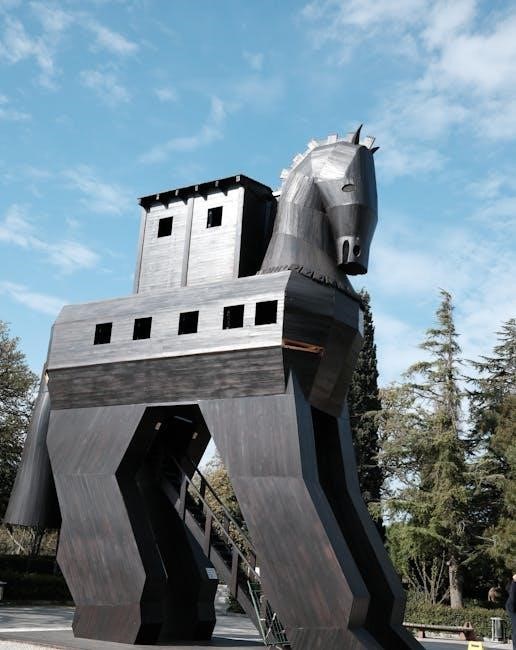
While the Iliad is a work of epic poetry, it’s rooted in a historical period – the Late Bronze Age collapse (c․ 1200 BCE)․ Archaeological evidence, particularly at the site of Hisarlik in modern-day Turkey, suggests a city existed there that aligns with the legendary Troy․ However, separating historical fact from poetic license remains a challenge․
The conflict likely stemmed from Mycenaean Greece’s expansionist ambitions and control over trade routes in the Aegean Sea․ The Iliad focuses on a brief period during the tenth year of a decade-long siege, sparked by Paris of Troy’s abduction of Helen, wife of Menelaus, King of Sparta․
Fagles’ translation, even in a convenient PDF format, doesn’t attempt to reconstruct a precise historical account, but rather explores the human drama within this legendary framework․ Understanding the potential historical backdrop enriches the reading experience, grounding the epic’s fantastical elements in a plausible, albeit distant, past․
Key Characters and Their Roles
Achilles, the central hero, embodies rage and glory, his withdrawal from battle driving much of the Iliad’s plot․ Hector, Troy’s champion, represents duty and familial love, a noble opponent to Achilles․ Helen, though the catalyst for war, is portrayed with complexity, a figure of both blame and beauty․
Agamemnon, the Greek commander, struggles with leadership and pride, while Odysseus provides cunning and strategic brilliance․ The gods actively intervene, with Zeus attempting neutrality, Hera favoring the Greeks, and Apollo supporting the Trojans․
Robert Fagles’ translation, readily available as a PDF, vividly portrays these characters’ motivations and flaws․ Accessing the Iliad in this format allows for close study of their interactions and the profound impact of their choices on the unfolding tragedy, revealing timeless human truths․

Utilizing the Iliad PDF: Study and Analysis
Robert Fagles’ Iliad PDF facilitates detailed textual analysis, enabling students and scholars to easily navigate, annotate, and quote passages for research․
Navigating the PDF Format and Features
The Robert Fagles Iliad PDF typically includes features enhancing the reading experience and scholarly use․ Most versions are searchable, allowing quick location of specific characters, themes, or passages․ Hyperlinks within the text often connect to footnotes or endnotes providing contextual information and clarifying allusions․
Digital editions frequently offer adjustable font sizes and styles, catering to individual preferences and accessibility needs․ Many PDFs also support annotation tools, enabling highlighting, underlining, and the addition of personal notes directly within the document․ This is particularly useful for students and researchers․
Furthermore, the PDF format allows for easy copying and pasting of quotations, streamlining the research process․ Bookmarks and a table of contents provide efficient navigation through the extensive text, while some versions may include integrated indexes for even faster access to specific content․ These features collectively transform the Iliad PDF into a powerful study tool․
Using the PDF for Academic Research
The Robert Fagles Iliad PDF proves invaluable for academic research due to its searchability and annotation capabilities․ Researchers can efficiently locate instances of recurring motifs, analyze character interactions, and trace thematic developments throughout the epic․ The ability to copy and paste passages simplifies citation and integration into scholarly papers․
PDFs facilitate close reading and comparative analysis, allowing simultaneous viewing of the original text alongside critical commentaries․ Digital annotation features enable researchers to record interpretations, formulate arguments, and build a personalized research trail directly within the document․
Furthermore, the portability of the PDF format allows access to the text anywhere, anytime, fostering flexible research habits․ Combined with digital library resources, the Iliad PDF becomes a cornerstone for in-depth literary study and contributes significantly to academic discourse․
Quotations and Notable Passages from Book 24
Robert Fagles’ translation of The Iliad, Book 24, powerfully depicts the culmination of the Trojan War and the poignant return of Hector’s body to Priam․ Notable is Priam’s desperate plea to Achilles, a moving exchange emphasizing shared humanity amidst conflict: “I have come to ransom my son’s body․” This passage exemplifies the epic’s exploration of grief, honor, and the futility of war․
Another striking quote reveals Achilles’ own sorrow: “Think of your own father, old man, aging—and how he longs for your return․” This moment of empathy underscores the universal themes woven throughout the poem․ The detailed descriptions of funeral rites, rendered beautifully by Fagles, highlight the importance of ritual and remembrance․
Accessing these passages within the PDF allows for easy reference and analysis, enriching understanding of the book’s emotional core and literary significance․

Alternatives to PDF: Streaming and Online Access
Beyond PDF downloads, digital platforms offer convenient access to Robert Fagles’ Iliad, including online reading options and potentially audio streaming formats․
Live Sports Streaming Sites (e․g․, 1ball․st) ― Relevance to Classical Texts?
The connection between live sports streaming websites, such as 1ball․st – which focuses on contemporary athletic events like football, UFC, and basketball – and accessing classical literature like Robert Fagles’ Iliad PDF is, fundamentally, nonexistent․ These platforms cater to immediate, live entertainment, prioritizing real-time broadcasts and schedules․
The Iliad, conversely, represents a cornerstone of Western literature, demanding focused study and reflection․ While both involve accessing content digitally, the intent and context are vastly different․ 1ball․st provides ephemeral, event-driven content; the Iliad offers enduring artistic and historical value․
Any mention of such sites in relation to the Iliad is purely coincidental, stemming from a search context where both topics might appear in online queries․ It highlights the broad spectrum of digital content available but underscores the inappropriateness of equating the two․
Online Platforms for Reading Classical Literature
Numerous reputable online platforms offer access to classical literature, providing legitimate alternatives to seeking an Iliad PDF through less reliable sources․ Project Gutenberg, for instance, provides free ebooks, including older translations of Homer’s work, though not specifically Robert Fagles’ version․
Subscription services like Kindle Unlimited and Scribd often feature digital editions of the Fagles translation, offering convenient reading experiences across various devices․ University and public libraries frequently provide digital lending options, allowing access to the PDF or ebook format with a library card․
These platforms ensure legal access, support authors and publishers, and often include features like annotation tools and searchable text, enhancing the reading and study experience․ Prioritizing these resources over potentially illegal downloads safeguards intellectual property and promotes ethical engagement with literature․
Comparing Different Digital Formats (ePub, Kindle)
When considering digital access to Robert Fagles’ Iliad, understanding the nuances between formats like ePub and Kindle (AZW/MOBI) is crucial․ ePub is a widely supported, open standard, offering flexibility across devices and allowing for adjustable font sizes and styles․ It’s ideal for readers using various e-readers or tablets․
Kindle formats, while tied to the Amazon ecosystem, provide a seamless experience on Kindle devices and apps, often with features like Whispersync for cross-device reading․ However, DRM (Digital Rights Management) restrictions can limit sharing or conversion․
PDFs, while preserving formatting, can be less adaptable to different screen sizes․ Ultimately, the best format depends on your preferred reading device and desired level of flexibility․ Consider compatibility and DRM limitations when choosing how to access the Iliad digitally․
Competitors and Alternatives to 1ball․st (and their irrelevance to the Iliad)
Websites like 1ball․st, focused on live sports streaming, are entirely unrelated to accessing legitimate digital copies of Robert Fagles’ Iliad․ These platforms offer no pathway to scholarly texts or literary works; their content centers solely on athletic events․ Seeking the Iliad through such sources would be fruitless and potentially expose users to harmful malware or illegal content․
Alternatives to 1ball․st, even within the realm of streaming, remain irrelevant․ The pursuit of Homer’s epic requires exploring reputable booksellers, digital libraries, or academic databases․ Prioritizing legal and ethical access ensures a quality reading experience and supports the author’s and publisher’s rights․ Focusing on legitimate sources is paramount when studying classical literature․